
February gets a bad rap. It’s the shortest month, still cold in many places, and often feels like winter’s last gasp before spring arrives. But here’s what most people miss: February is actually one of the best months to travel.
Think about it. Summer crowds have vanished. Prices drop at popular destinations. And depending on where you go, you’ll find perfect weather, unique festivals, and experiences you can’t have any other time of year.
Here are 12 destinations where February isn’t just good—it’s the best time to visit.
1. Maldives: The Peak of Paradise

Let’s start with the crown jewel. February in the Maldives is about as close to perfection as travel gets.
This is the driest month across the archipelago. The monsoons that plague other times of year disappear entirely, leaving you with day after day of cloudless skies and calm, turquoise waters. Temperatures hover between 77°F and 84°F—warm enough to stay comfortable in swimwear all day, but not so hot that you’re constantly seeking shade.
What makes February special: The visibility underwater is at its annual best. If you’ve ever wanted to see manta rays gliding through crystal-clear water or swim alongside whale sharks, this is your window. The water clarity reaches 30 meters or more, making every snorkelling trip feel like you’re swimming through an aquarium.
The beaches live up to every photo you’ve seen. Soft white sand that doesn’t burn your feet, water so clear you can count fish from the shore, and that specific shade of blue that doesn’t seem real until you’re standing in it.
Where to stay: The Maldives offers the full spectrum. Budget travellers can find guesthouses on local islands for under $100 per night. Mid-range resorts start around $300 and include meals. If you’re celebrating something special, the overwater bungalows at places like Soneva Jani or Conrad Maldives Rangali Island create those Instagram-worthy moments you’ll remember for years.
Practical tip: Book direct with resorts when possible. Many offer better packages on their own sites than through third-party booking platforms. Also, domestic flights and speedboats fill up quickly in February, so arrange transfers as soon as you book your accommodation.
The Maldives in February isn’t cheap—it’s peak season for good reason. But if you’re looking for that postcard-perfect beach vacation where the weather isn’t a gamble, this is it.
2. Australia: Summer’s Last Hurrah
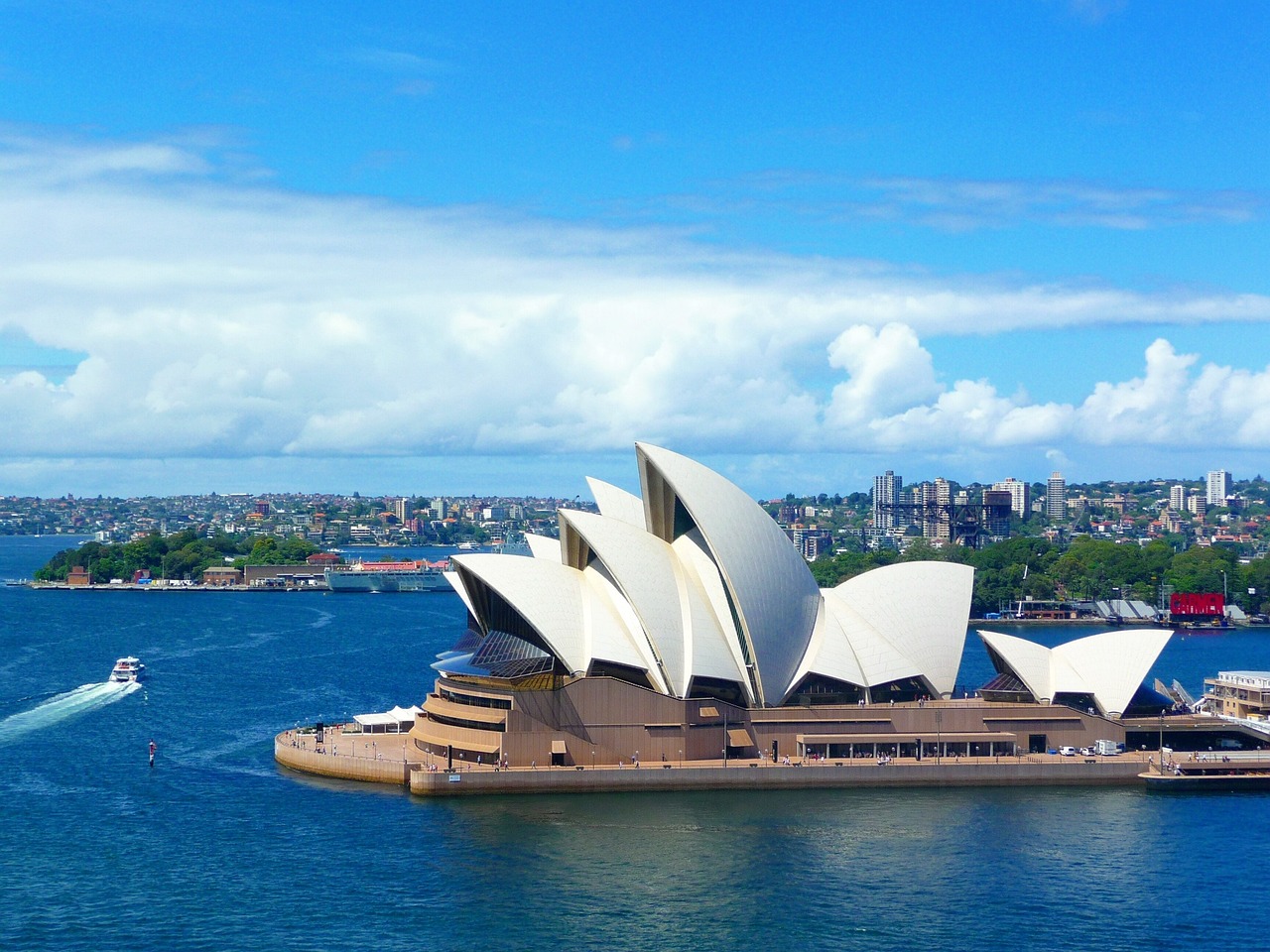
February marks the end of the Australian summer, and it’s a spectacular finale.
The country is massive and diverse, so your experience varies wildly depending on where you land. Sydney and Melbourne offer cosmopolitan vibes with world-class food scenes. Queensland delivers tropical beaches and rainforests. The Outback provides that raw, red-earth Australian experience most people imagine.
The weather reality: Queensland temperatures average around 82°F, perfect for beach days and outdoor adventures. However, heat waves aren’t uncommon. That’s not a dealbreaker—it just means you plan as locals do—beach mornings, air-conditioned museum afternoons, outdoor dinners once the sun drops.
Sydney in February: The harbour city shines this month. Bondi Beach lives up to its reputation with consistent surf and that iconic Australian beach culture. Walk the coastal path from Bondi to Coogee—it’s six kilometres of clifftop views, hidden beaches, and natural rock pools. The Sydney Opera House and Harbour Bridge look their best under bright summer skies, and outdoor dining in neighbourhoods like Surry Hills becomes an everyday pleasure.
Queensland’s Gold Coast: This 35-mile stretch of coastline is Australia’s answer to California—theme parks, surf culture, and endless beaches. Unlike the crowds of December and January, February sees a noticeable drop in visitors while maintaining perfect weather. Main Beach and Burleigh Heads offer excellent swimming and surfing. The hinterland behind the coast, with its rainforests and waterfalls, provides a more superb alternative when the heat peaks.
Melbourne: Australia’s cultural capital hits its stride in February. The Australian Open finishes early in the month, but the summer festival season continues. The city’s famous laneways, filled with cafes and street art, are best explored in warm weather. Day trips to the Great Ocean Road reveal those dramatic coastal rock formations you’ve seen in photos.
What to know: Australian sun is intense. Sunscreen isn’t optional, even on overcast days. The country has one of the highest skin cancer rates globally, and you’ll understand why after your first day. Reapply every two hours, wear a hat, and don’t be the tourist who spends their entire vacation recovering from sunburn.
Book internal flights early. Distances are vast—Sydney to Cairns is a three-hour flight. The country’s population might be small, but tourism is concentrated in February, so popular routes fill up.
3. Mexico: Beaches, Ruins, and Perfect Weather

Mexico in February is a masterclass in value and variety.
The temperature sits comfortably around 77°F across most tourist regions. It’s one of the driest months, meaning you leave the umbrella at home and actually use it every day of your trip. Resort prices remain elevated from the winter rush, but crowds thin out considerably after the Christmas and New Year surge.
Yucatan Peninsula: This region alone could fill an entire February vacation. Cancun’s hotel zone offers that all-inclusive resort experience—multiple pools, beach access, unlimited food and drinks. If that’s your vacation style, you’ll find excellent deals in February.
But step outside the resort bubble, and the Yucatan reveals something far more interesting. The Mayan ruins at Chichen Itza rank among the world’s most impressive archaeological sites. Arriving right when it opens at 8 AM means you’ll have the famous pyramid relatively to yourself for an hour before tour buses arrive. The site gets blazing hot by midday, so early visits make sense beyond just avoiding crowds.
Tulum offers ruins with a view—Mayan temples perched on cliffs overlooking the Caribbean. It’s smaller than Chichen Itza but more dramatically situated. The beach below the ruins is open to the public and genuinely beautiful, though it gets crowded by noon.
Cenotes: These natural sinkholes, unique to the Yucatan Peninsula, are extraordinary. Limestone bedrock has collapsed, revealing underground rivers and pools. Some cenotes are open to the sky; others are in caves, with light filtering through holes in the rock. Swimming in these crystal-clear, fresh waters feels otherworldly. Gran Cenote near Tulum is well-developed with facilities. Cenote Ik Kil near Chichén Itzá drops 85 feet deep, with vines cascading down its sides.
Baja California: Cabo San Lucas, at the tip of the peninsula, offers a different Mexico experience. The desert meets the ocean here, creating dramatic landscapes. February is prime fishing season—striped marlin run thick offshore. Even if you’re not into fishing, a boat trip along the coast reveals rock formations like El Arco, sea lion colonies, and, often, migrating whales.
Practical considerations: The all-inclusive resorts dominate in Cancun and Cabo, and they’re genuinely good value in February when you factor in food, drinks, and activities. However, if you want to experience local culture and food, book smaller hotels in town and venture out. Street tacos from small stands blow resort buffets out of the water, and you’ll pay $2 instead of paying for unlimited mediocre options.
Safety concerns vary by region. The Yucatan Peninsula, Baja California, and major resort areas maintain strong tourism infrastructure and are generally safe. Exercise standard precautions—don’t flash valuables, avoid isolated places at night, and use registered taxis or Uber in cities.
4. Hawaii: Off-Peak Paradise

Hawaii’s appeal is obvious—it’s tropical, it’s American, and it offers extraordinary natural beauty. February hits a sweet spot, making it one of the best times to visit.
The peak winter crowds, escaping the cold mainland weather, have departed. Spring breakers haven’t arrived yet. You get Hawaii at its most accessible, with fewer people competing for restaurant reservations, hiking permits, and beach space.
The weather trade-off: Temperatures range from 68°F to 79°F—cooler than summer but still plenty warm for beach activities. You might need a light jacket for evenings. This cooler air makes February ideal for hiking. Trails that feel brutal in summer heat become genuinely enjoyable.
Oahu: Diamond Head Crater offers the most famous hike in Hawaii. It’s only 1.6 miles round trip, but climbs 560 feet to panoramic views of Waikiki Beach and Honolulu. Summer heat makes this hike miserable by midday. February’s cooler temperatures let you tackle it comfortably at any time of day.
Hanauma Bay, a volcanic crater that collapsed and filled with seawater, creates one of the best snorkelling spots in Hawaii. The protected bay stays calm even when outer reefs see rough surf. You’ll swim among hundreds of tropical fish species. Arrive early—the bay limits daily visitors and often reaches capacity by 10 AM, even in February.
Maui: This island offers the most diverse experiences. Road to Hana winds 64 miles along the coast with over 600 curves and 59 bridges. It takes a full day but reveals waterfalls, black sand beaches, and tropical rainforests. February’s drier weather means fewer mudslides and safer driving conditions.
Whale watching: Here’s February’s killer feature—humpback whales. These massive mammals migrate from Alaska to Hawaiian waters to breed and give birth. February sits at the peak of whale season. You’ll often see them from shore, breaching and tail-slapping. Boat tours guarantee closer encounters. The experience of a 40-ton whale surfacing 50 feet from your boat stays with you.
Big Island: Hawaii Volcanoes National Park deserves multiple days. Kilauea, one of the world’s most active volcanoes, offers the rare chance to witness ongoing volcanic activity safely. The landscape shifts from lush rainforests to barren lava fields in minutes. February’s clearer skies mean better visibility for stargazing from Mauna Kea’s summit, where some of the world’s most powerful telescopes operate.
Money-saving tips: Inter-island flights are cheap—often under $100. Seeing multiple islands in one trip makes sense. Accommodations range from budget to luxury. Avoid Waikiki for better value; neighbourhoods like Kailua on Oahu offer beach access without resort prices.
Grocery stores are expensive, but still cheaper than eating every meal out. Many accommodations include kitchens. Stock up on snacks and breakfast items to stretch your budget.
5. New Orleans: Mardi Gras Madness

New Orleans in February means one thing: Mardi Gras. This isn’t just a party—it’s a cultural phenomenon that transforms the entire city.
Let’s be clear: this is expensive, crowded, and chaotic. Hotels book out months in advance. Prices triple. Bourbon Street becomes a non-stop parade of costumes, music, and controlled mayhem. But if you’ve ever wanted to experience one of the world’s great festivals, there’s nothing quite like it.
Understanding Mardi Gras: The festival isn’t just one day. It’s a season that builds for weeks, culminating on Fat Tuesday (the day before Ash Wednesday). Each day features different parades organised by krewes—social organisations that have been throwing Mardi Gras celebrations for over a century.
The parades are spectacular. Massive floats, marching bands, dance troupes, and krewe members throwing beads, cups, and trinkets to crowds. Locals take this seriously—they bring ladders for kids to sit on, coolers full of food and drinks, and stake out parade routes hours early.
When to visit: If you’re bringing kids or want a more family-friendly experience, visit during the two weeks leading up to Fat Tuesday. You’ll catch plenty of parades and festivities without the peak intensity. If you want the whole experience—and by complete I mean wild—arrive for the final weekend and Fat Tuesday itself.
The French Quarter: This historic neighbourhood becomes the festival’s heart. Bourbon Street is exactly what you imagine—packed shoulder to shoulder, bars with open fronts blasting music, people in elaborate costumes. It’s overwhelming and exhilarating. Explore the side streets for a slightly calmer experience with better bars and restaurants.
Frenchmen Street, just outside the central tourist zone, offers the city’s best live music in a more authentic setting. You’ll find jazz clubs where local musicians play for locals, not just tourists.
The food: New Orleans food deserves its reputation. Beignets at Cafe Du Monde are mandatory—fried dough covered in powdered sugar, best eaten while still hot. Po’boys from casual shops offer better value than sit-down restaurants and taste just as good. Gumbo, jambalaya, crawfish etouffee—the Creole and Cajun cuisine here exists nowhere else in America quite like this.
Practical survival tips: Book accommodations as far in advance as possible. Closer to Bourbon Street means higher prices but easier access. The French Quarter is walkable, but rideshares become nearly impossible during peak parade times.
The weather is unpredictable. High temperatures around 64°F, dropping to 50°F at night. It can be sunny, rainy, or both on the same day. Layers are essential. Comfortable shoes are non-negotiable—you’ll walk miles on uneven streets.
Mardi Gras can get rowdy, especially on Bourbon Street late at night. The vast majority of it is fun chaos, but keep your wits about you. Don’t accept drinks from strangers, stay with your group, and know your limits.
6. New Zealand: Summer at Its Best

New Zealand in February is summer at its peak—the warmest, sunniest month of the year.
Temperatures range from 68°F to 79°F, ideal for the outdoor adventures this country is famous for. The landscapes look their best under clear summer skies, and you can actually swim in the ocean without a wetsuit.
Auckland and the North Island: New Zealand’s largest city sits on a harbour between two bodies of water. It’s cosmopolitan and diverse, with excellent food, museums, and nightlife. But Auckland works best as a base for exploring the surrounding region.
Rotorua, a two-hour drive south, is a geothermal wonderland. The earth bubbles, steams, and sometimes erupts here. Te Puia showcases Maori culture alongside geysers and hot springs. The smell of sulfur is strong—it’s nicknamed “Rotovegas” locally—but the landscape is unlike anywhere else.
The Waitomo Glowworm Caves create a surreal experience. You boat through underground caves while thousands of glowworms illuminate the ceiling like stars. It’s touristy but genuinely magical.
Hobbiton, the movie set from The Lord of the Rings trilogy, remains fully intact as a tourist attraction. If you’re a fan, it’s worth it. Even if you’re not, the rolling green hills of the Shire capture New Zealand’s pastoral beauty perfectly.
The South Island: This is where New Zealand’s reputation for dramatic landscapes comes from. Queenstown acts as the adventure capital—bungee jumping, skydiving, jet boating, and canyon swinging. The town sits on Lake Wakatipu, surrounded by mountains, creating a stunning setting even if you skip the adrenaline activities.
Milford Sound, often called the eighth wonder of the world, is a fjord with waterfalls cascading down sheer cliff faces. The drive there through Fiordland National Park is half the experience. Alternatively, scenic flights offer aerial views of the sound and surrounding mountains.
Hiking: New Zealand’s Great Walks are multi-day hiking routes through the country’s most spectacular landscapes. February’s weather makes these accessible. The Milford Track, Routeburn Track, and Tongariro Alpine Crossing rank among the world’s best hikes. Book well in advance—they’re popular for good reason.
Practical considerations: New Zealand is expensive. Accommodation, food, and activities cost more than in Australia or the US. Budget accordingly. Campervans offer a popular alternative—rent a van with a bed and kitchen, stay at holiday parks (campgrounds with facilities), and cook your own meals.
Driving is on the left side of the road. Roads are often narrow and winding, especially on the South Island. Distances are deceptive—what looks like a short drive on a map takes longer than expected.
The sun is intense due to the hole in the ozone layer above the region. Sunscreen and sun protection are critical, even on cloudy days.
7. France: Alpine Winter and Off-Season Cities

February in France offers two distinct experiences: world-class skiing in the Alps or exploring Paris and other cities without the summer crowds.
The French Alps: February is prime ski season. The resorts have full snow coverage, lifts operate at full capacity, and the weather tends toward sunny days with cold temperatures ideal for skiing.
Méribel sits at the heart of the Three Valleys, the world’s largest ski area. You can ski across eight connected resorts covering over 370 miles of runs. The town itself maintains that classic Alpine-village aesthetic—wooden chalets, fondue restaurants, and après-ski culture.
Expect temperatures around 19°F, dropping to 5°F at night. That’s cold, but proper ski gear keeps you comfortable on the slopes. The bigger challenge is off-mountain—ensure your accommodation has good heating.
Luxury options like Hotel Le Kaïla offer heated indoor pools, spas, and gourmet restaurants. After a day on the slopes, soaking in a heated pool while watching snow fall outside becomes worth every euro.
Paris: Visiting Paris in February means smaller crowds at major attractions and lower hotel prices. Yes, it’s cold—highs around 45°F—but that’s manageable with proper layers.
The Louvre becomes navigable. Summer sees lines wrapping around the building and gallery rooms packed shoulder-to-shoulder. February lets you actually look at the art. The Eiffel Tower, Notre-Dame (currently under restoration), and Versailles follow the same pattern—still popular, but manageably so.
Parisian cafes make perfect sense in winter. Sitting at a small table with coffee and a pastry, watching the city go by, feels more authentic when locals outnumber tourists.
French Riviera: If you want to avoid the cold, head south. Nice and the surrounding coast see daytime temperatures around 55°F in February. Not beach weather, but pleasant for walking the Promenade des Anglais, exploring medieval villages like Èze, or visiting Monaco. Hotels drop to off-season rates while restaurants remain open.
Practical tips: France uses chip-and-PIN credit cards. Most places accept American credit cards now, but carrying some cash can help avoid issues at smaller establishments.
Language matters. Learning basic French phrases significantly improves your experience. Parisians appreciate the effort, even if they respond in English. In smaller towns and ski resorts, English is less common.
Get a France eSIM to stay connected while traveling—10GB data for just $6.90.
8. Costa Rica: Dry Season Adventure

Costa Rica in February delivers consistent sunshine and outdoor adventures without the rain that defines other months.
Temperatures range from 86°F to 95°F—hot but not unbearable. More importantly, February sits firmly in the dry season. The rainforests stay green from previous months’ rainfall, but daily downpours stop. You can plan activities without worrying about afternoon thunderstorms cancelling everything.
Manuel Antonio National Park: This small park on the Pacific coast combines rainforest hiking with beach access. The main trail takes about 30 minutes and leads to Cathedral Point—two beaches separated by a small peninsula. Along the way, you’ll see capuchin monkeys swinging through trees, sloths hanging in branches (look up, they’re easy to miss), and bright tropical birds.
The beaches at Manuel Antonio are legitimately beautiful. White sand, clear water, and backed by jungle. They get crowded by midday, so arrive when the park opens at 7 AM.
Adventure activities: Costa Rica specialises in adrenaline. Ziplines through the rainforest canopy offer the iconic experience—soaring hundreds of feet above the jungle, occasionally spotting wildlife below. The cables at Monteverde Cloud Forest can reach speeds of 40 mph.
Whitewater rafting on the Pacuare River combines Class III and IV rapids with jungle scenery. Canyoning (rappelling down waterfalls) sounds intense, but it is accessible for beginners with decent fitness.
Arenal Volcano: This perfectly cone-shaped volcano dominates the landscape around La Fortuna. While no longer actively erupting with lava flows, it still vents steam regularly. Hot springs heated by volcanic activity scatter around the base—several resorts offer natural hot spring pools where you can soak while viewing the volcano.
The hanging bridges near Arenal let you walk through the rainforest canopy on suspended walkways. You’ll spot birds, monkeys, and incredible plant diversity from a unique perspective.
Pacific beaches: Tamarindo and Nosara offer surf towns with consistent waves. February conditions suit intermediate surfers—big enough to be fun, not so massive as to be intimidating. The beach towns have that laid-back surfer vibe with yoga studios, organic cafes, and sunset sessions.
Practical considerations: Costa Rica isn’t cheap by Central American standards. It’s developed for tourism with corresponding prices. However, sodas (small local restaurants) serve authentic meals for $5-8, far cheaper than tourist restaurants.
Rent a 4×4 vehicle if you’re exploring beyond main roads. Many of the best locations require driving on unpaved roads that can be challenging without four-wheel drive.
9. Jamaica: Island Rhythms and Perfect Weather

Jamaica in February offers the island’s best weather—low rainfall and comfortable temperatures between 68°F and 84°F.
The Caribbean vibe here is real. Reggae music fills the air, beaches stretch for miles, and the pace of life slows down. It’s exactly what you imagine when someone says “island vacation.”
Negril: This stretch of Seven Mile Beach epitomises Caribbean paradise. The sand is white, soft, and seemingly endless. Water stays calm and clear, perfect for swimming and snorkelling. Cliffs at Negril’s southern end offer those Instagram-worthy jumping spots where locals and tourists leap into deep water below.
Rick’s Cafe, built into the cliffs, draws crowds at sunset. Cliff divers perform increasingly daring jumps as the sun drops. You can jump yourself from various heights—platforms start at 10 feet and go up to 35 feet. The sunset alone justifies the visit, even if you don’t jump.
Cool Runnings Water Park offers family-friendly entertainment, including water slides, lazy rivers, and pools set in tropical gardens. It’s not massive by Florida standards, but it works well for a relaxed afternoon.
Montego Bay: MoBay offers more developed tourist infrastructure. The Hip Strip has clubs, bars, and restaurants catering to visitors. Doctor’s Cave Beach Club features crystal-clear water believed to have healing properties (probably not, but it’s beautiful regardless).
Rose Hall Great House offers a different experience—a restored 18th-century plantation house with a reputation for being haunted. The night tour leans into the ghost story of Annie Palmer, the “White Witch” who allegedly murdered three husbands. Whether you believe in ghosts or not, the house itself is historically interesting.
Kingston: The capital is often skipped by visitors, but it offers authentic Jamaican culture. The Bob Marley Museum, housed in his former home, provides deep insight into reggae’s most famous export. Trench Town Culture Yard shows where ska and reggae originated in the 1960s.
Kingston can feel grittier than the resort areas. Exercise standard urban precautions—don’t flash valuables, stay in central areas, and use registered taxis.
Food and drink: Jerk chicken is Jamaica’s signature dish—chicken marinated in allspice, scotch bonnet peppers, and other spices, then smoked over pimento wood. Roadside jerk stands serve the best versions. It’s spicy, smoky, and addictive.
Red Stripe beer and rum cocktails flow freely. Appleton Estate rum tours near Montego Bay show the production process and include tastings. The white rum here is harsh, but the aged varieties compete with anything from the Caribbean.
All-inclusive resorts: Jamaica has numerous all-inclusive properties where one price covers rooms, meals, drinks, and activities. They offer excellent value if you plan to drink and eat at the resort frequently. However, staying at an all-inclusive means you might miss authentic Jamaican experiences outside the resort bubble.
10. Abu Dhabi: Desert Winter
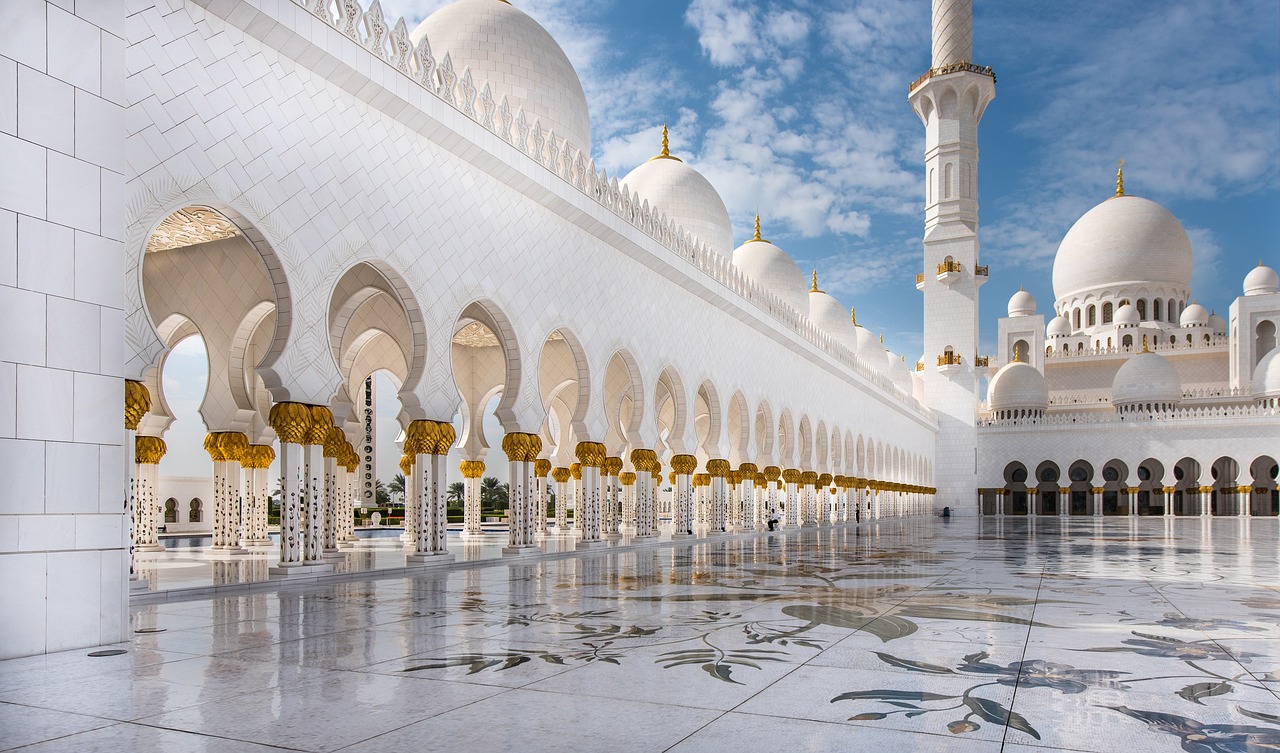
Abu Dhabi in February offers comfortable temperatures between 57°F and 77°F—a massive improvement over the 100°F+ heat of summer.
This city represents modern ambition at its most extreme. Massive skyscrapers, artificial islands, indoor ski slopes, and attractions that exist nowhere else. It’s expensive and luxurious, but February’s pleasant weather makes exploring actually enjoyable.
Sheikh Zayed Grand Mosque: This should be your first stop. The mosque accommodates 40,000 worshipers and features 82 domes, over 1,000 columns, and what might be the world’s most enormous chandelier. The architecture combines traditional Islamic design with modern engineering.
Entry is free but requires modest dress—covered shoulders, long pants or skirts, and women must cover their hair. The mosque provides abayas (robes) for visitors who need them. Guided tours explain the mosque’s features and Islamic practices.
Yas Island: This artificial island is basically a theme park district. Ferrari World Abu Dhabi holds the record for the world’s fastest roller coaster—Formula Rossa accelerates from 0 to 149 mph in 4.9 seconds. If you’ve ever wondered what that feels like, here’s your chance.
Yas Waterworld provides relief from the heat (even in February, it gets warm) with over 40 rides and slides. The Middle East’s first water roller coaster and the world’s largest surfable sheet wave add unique elements.
Warner Bros. World Abu Dhabi is entirely indoors and air-conditioned, featuring rides and attractions based on DC Comics, Looney Tunes, and Hanna-Barbera characters.
Emirates Palace: You probably can’t afford to stay here—rooms start around $500 per night—but you can tour the property or book afternoon tea. The hotel uses 1,000 chandeliers and 128 kitchens to serve guests. The gold vending machine in the lobby sells gold bars and jewellery if you want an extremely unusual souvenir.
Desert experiences: Dune bashing—driving 4×4 vehicles at high speed over dunes—provides pure adrenaline. Most tour operators combine this with camel rides, sandboarding, and traditional Bedouin camps where you’ll watch belly dancing and eat Arabic mezze under the stars.
Practical tips: Abu Dhabi is expensive. Budget accordingly. However, public transportation is modern and affordable. The bus system connects major attractions, and taxis use meters.
Alcohol is available but restricted. Hotels and some restaurants serve it, but you won’t find it in regular stores. Drinking in public is illegal.
Respect local customs. While Abu Dhabi is relatively liberal by regional standards, modest dress in public areas is appropriate. Public displays of affection should be kept to a minimum.
11. Norway: Northern Lights and Winter Wonderland

Norway in February is cold—temperatures range from 30°F down to 19°F. That’s not a typo. It’s genuinely freezing. But February also marks your best chance to see the Northern Lights before winter ends.
Oslo: The capital combines urban sophistication with access to the outdoors. The Viking Ship Museum houses remarkably preserved Viking vessels from the 9th century. The Munch Museum showcases the work of Norway’s most famous artist, including multiple versions of “The Scream.”
Oslo’s food scene has evolved significantly. The city boasts several Michelin-starred restaurants serving New Nordic cuisine—local ingredients prepared with innovative techniques. Maaemo leads with three Michelin stars and a tasting menu that highlights Norwegian seafood and wild ingredients.
Bergen: This coastal city on Norway’s western coast offers historic charm. Bryggen, the old wharf area, features colourful wooden buildings dating to the 14th century, now filled with shops and restaurants. The Fløibanen funicular takes you 1,000 feet up Mount Fløyen for views over the city and surrounding fjords.
Ålesund: Another historically significant town worth visiting, Ålesund offers Art Nouveau architecture and serves as another excellent base for exploring the famous Norwegian fjords. The town’s unique architectural style and coastal setting make it a memorable stop.
Bergen and Ålesund are famously rainy, but February tends to be drier than summer. The nearby fjords—Hardangerfjord and Sognefjord—are accessible via boat tours that operate year-round. February means fewer tourists and dramatic winter scenery with snow-covered mountains rising from the water.
Røros: This UNESCO-listed mining town looks like a winter fairy tale. Wooden buildings with turf roofs, narrow streets, and mountains all around. It’s remote and extremely cold in February, but that’s part of the charm. The Winter Fair in late February brings traditional crafts, reindeer races, and local food.
Northern Lights: Tromsø, above the Arctic Circle, offers the best combination of clear skies, northern latitude, and tourism infrastructure for aurora viewing. February provides long nights essential for seeing the lights.
The aurora forecast predicts activity levels, but ultimately, you need clear skies and patience—book multiple nights to increase your chances. Tour operators drive to areas away from city light pollution and provide warm clothing for waiting outside in freezing temperatures.
When the aurora appears, it’s extraordinary—green, sometimes purple or red lights dancing across the sky. Photos don’t capture the movement and scale. It’s worth the cold wait.
Winter activities: Cross-country skiing, dog sledging, and snowshoeing let you explore Norway’s winter landscape actively. The country has extensive networks of maintained ski trails. Equipment rentals are widely available.
February also offers good downhill skiing. Resorts like Hemsedal and Trysil have reliable snow coverage and far fewer crowds than Alpine resorts.
Practical considerations: Norway is expensive—possibly the most expensive country in this entire list. Budget about $150-200 per day for modest accommodations, food, and local transportation. Grocery stores offer better value than restaurants if you’re watching expenses.
Dress in layers. Thermal underwear, wool mid-layers, and a proper winter coat are essential. Waterproof outer layers matter more than you think—snow and cold are manageable, but being wet and cold is miserable.
12. Singapore: Urban Sophistication and Chinese New Year

Singapore in February offers a unique combination: a modern, immaculate city with perfect weather and one of the world’s most significant cultural celebrations.
Temperatures consistently hover between 75°F and 81°F year-round, but February falls in the drier season. Humidity remains high—Singapore sits one degree north of the equator—but you adapt quickly.
Gardens by the Bay: These futuristic gardens showcase Singapore’s blend of nature and technology. The Supertrees—vertical gardens up to 160 feet tall—illuminate in a nightly light show. The Cloud Forest conservatory creates a misty, tropical mountain environment inside a climate-controlled dome. It’s worth the entrance fee.
Singapore Zoo and Night Safari: The zoo uses open-concept exhibits rather than cages, creating a more natural environment. Animals roam in larger areas separated from visitors by moats and barriers rather than bars.
The Night Safari offers something truly unique—the world’s first nocturnal zoo. Electric trams glide through habitats lit only enough to see animals without disrupting their nighttime behaviour. You’ll spot everything from Asian elephants to Malayan tigers in their most active state.
Food culture: Singapore’s hawker centres are legendary. These are food courts but elevated to an art form. Hawker centres like Maxwell Food Centre and Lau Pa Sat offer dozens of stalls serving Chinese, Malay, Indian, and fusion dishes for $3-7 per meal.
Chicken rice might seem simple—poached chicken with rice cooked in chicken fat—but when done well, it’s transcendent. Chilli crab, another Singaporean signature, requires hands-on eating; it’s messy, spicy, and delicious.
Raffles Hotel: Have a Singapore Sling at the Long Bar in Raffles Hotel, where the cocktail was invented in 1915. It’s touristy and overpriced at $30+ per drink, but the colonial-era hotel is beautiful, and you can say you had the drink at its birthplace.
Bugis Street: This covered street market sells clothing, accessories, and souvenirs at negotiable prices. Quality varies, but it’s fun for browsing and people-watching.
Chinese New Year: Singapore’s Lunar New Year celebration transforms the city. The Marina Bay area hosts light displays, performances, and a spectacular fireworks show. Chinatown fills with markets, decorations, and traditional performances. Dragon and lion dances wind through the streets accompanied by drums and cymbals.
The celebration lasts for weeks but peaks around the new year, which moves each year according to the lunar calendar (usually late January to mid-February).
Practical aspects: Singapore is expensive by Asian standards, but still cheaper than European cities. Hotels and restaurants cost more than in neighbouring countries, but public transportation is affordable and efficient.
The MRT (subway) connects all major areas. It’s clean, air-conditioned, and easy to navigate. Taxis are relatively affordable for short distances.
Singapore has strict laws. Don’t litter (fines start at $300), don’t jaywalk, don’t chew gum in public, and certainly don’t bring drugs into the country. The city-state takes these rules seriously.
Get Singapore eSIMs to stay connected while traveling.
Planning Your February Getaway
February rewards strategic travellers. The month offers either escapes from winter cold or opportunities to embrace it, festivals that happen nowhere else any other time, and weather windows that make specific destinations accessible.
Peak season at tropical beaches means crowds and higher costs, but it also means reliable sunshine and calm seas. Festival destinations like New Orleans and Singapore come alive with celebrations worth planning around. Ski resorts operate at full capacity with guaranteed snow.
Off-season city breaks in Europe provide culture and architecture without summer crowds competing for photos at every landmark.
When choosing your destination, consider what kind of experience you’re seeking. Beach relaxation? The Maldives, Bahamas, or Hawaii deliver. Adventure and outdoor activities? Costa Rica, New Zealand, or Norway provide options. Cultural immersion and festivals? New Orleans, Singapore, or France offer unique experiences.
Budget matters too. Southeast Asia and Central America offer better value than Europe or Oceania. All-inclusive resorts can make expensive destinations more manageable if you use the included amenities.
Whatever you choose, February offers opportunities most travellers overlook. While others wait for the summer vacation season, you can explore these destinations at what might be their annual best.
Start planning now. The best February experiences book up months in advance, especially accommodation near festivals or in smaller destinations. Your future self will thank you when you’re watching the Northern Lights in Norway, lounging on a Maldivian beach, or catching beads at Mardi Gras while everyone else is still suffering through winter back home.